DIY Backyard Chicken Run Setup
Highlighted under: Heritage Food
Setting up a backyard chicken run can seem overwhelming at first, but I can assure you that it's both rewarding and surprisingly fun! As someone who has built one from scratch, I found the process to be incredibly satisfying. Not only do you get to enjoy fresh eggs, but watching your chickens roam freely in a secure environment is a joy in itself. I’ll walk you through every step, ensuring you have the right materials and know-how for a successful setup.
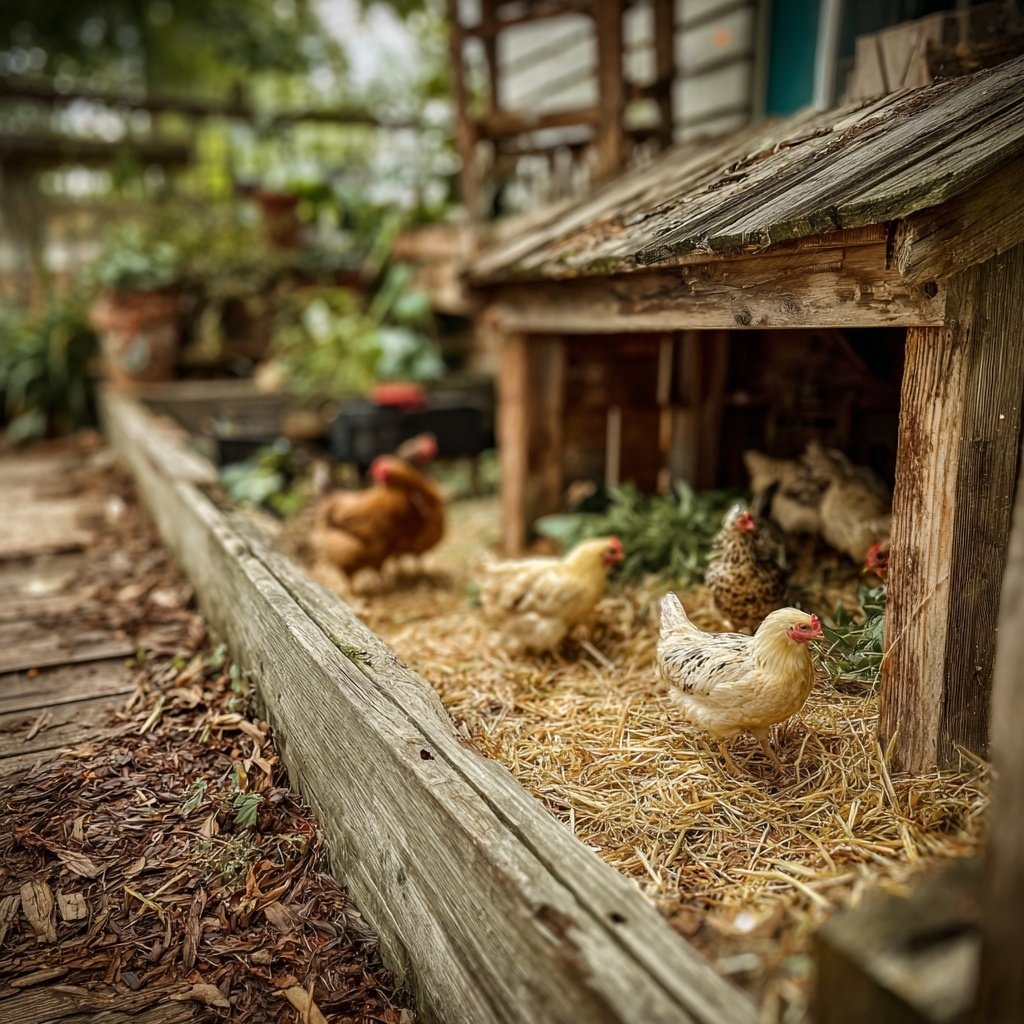
When I decided to build my own chicken run, I spent hours researching the best materials and design. I quickly learned that a secure, spacious area is crucial for the well-being of your chickens. I opted for treated lumber and sturdy wire, ensuring safety from local predators while giving my hens plenty of room to roam. Investing time upfront allowed me to create a lasting environment for my feathery friends.
One unexpected tip I discovered during my build was the importance of a shady spot within the run. Chickens tend to stay cool and comfortable in shaded areas, especially on hot summer days. Adding a few trees or using fabric can make a huge difference in your chickens’ comfort and overall happiness in their new home.
Why You'll Love This Setup
- Provides a safe and secure environment for your chickens
- Easily customizable to fit any backyard space
- Enhances your backyard aesthetics while being functional
- Allows for fresh eggs right from your own backyard
Understanding the Importance of Space
Choosing the right size for your chicken run is crucial for the health and happiness of your chickens. Each chicken requires approximately 10 square feet of run space to be comfortable. If your run is too small, it could lead to stress and aggressive behaviors among the flock. I recommend measuring your backyard area first, then planning your design to maximize the space you have while ensuring ample room for each bird.
In addition to size, consider the layout of the run. Chickens enjoy having areas to explore, scratch, and dust bathe. Incorporating different zones within the run, such as a raised platform or a shaded area, not only keeps your chickens engaged but mimics their natural habitat, thereby promoting healthy behavior.
Selecting Essential Materials
The materials you select can greatly influence the safety and durability of your chicken run setup. When choosing treated lumber for the frame, opt for rot-resistant options to ensure longevity, especially if you live in a wetter climate. A robust frame is vital for supporting the structure against weather fluctuations and potential predator attacks.
For the mesh wiring, hardware cloth is usually preferred over chicken wire due to its strength; it prevents not only birds from escaping but also protects against raccoons and other predators. Be sure to select a wire gauge of at least 19, as it offers better resistance against claws and beaks. Planning to secure your run at the base with sturdy materials can also prevent digging predators from gaining access.
Enhancing Chicken Well-being
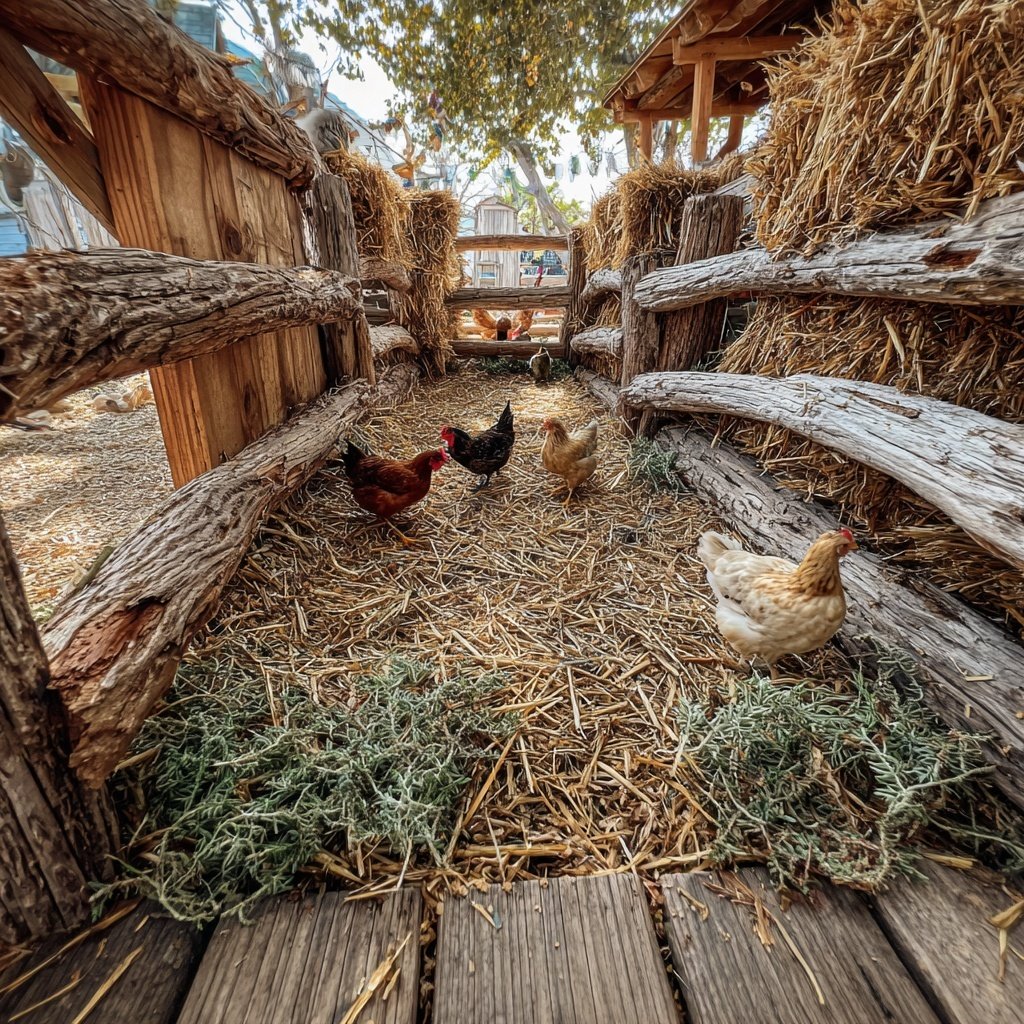
Providing enrichment for your chickens can significantly boost their overall well-being. Consider incorporating natural elements such as logs or branches for perches and scratched earth areas. These features allow chickens to engage in their natural behavior of pecking and scratching, reducing stress and increasing happiness.
Regularly changing or adding new toys or materials—like hanging vegetables or pecking blocks—can keep your chickens stimulated. This rotates boredom and reduces the likelihood of feather plucking or aggression within the flock. Observing their reactions to new items can also be a fun way to connect with your chickens and make their run experience joyful.
Ingredients
Gather these materials before you begin:
Materials for Chicken Run
- Treated lumber for the frame
- Chicken wire or hardware cloth
- Wooden posts
- Nails or screws
- Hinges for the gate
- A latch for security
- Optional: Shade cloth or tarps
Make sure to have all tools ready, like a saw, hammer, and measuring tape.
Instructions
Follow these steps to build your chicken run:
Design Your Run
Start by deciding on the size and layout of your chicken run. Sketch it out and ensure there's enough space for your chickens to move around comfortably.
Cut and Assemble the Frame
Cut your treated lumber into the necessary lengths for the frame and assemble using nails or screws. Make sure it's sturdy and level.
Attach the Chicken Wire
Once the frame is complete, attach chicken wire or hardware cloth to the sides of the frame. Ensure it's fastened securely to prevent any predators from sneaking in.
Build the Gate
Create a gate with additional lumber, ensuring it swings open easily. Attach it to your run frame with hinges and include a latch for security.
Add Shade and Toys
To enhance your chickens' experience, add shaded areas and some toys they can peck at or play with to keep them entertained.
Ensure everything is secure and safe for your chickens before introducing them to their new home.
Pro Tips
- Always check for sharp edges or exposed wire to protect your chickens. It's also a good idea to regularly inspect your run for any signs of wear or potential hazards.
Storage and Maintenance Tips
Maintaining a hygienic environment is essential for chicken health. Regularly clean the run by removing waste, uneaten food, and debris to prevent the buildup of harmful bacteria. Setting a weekly cleaning schedule can help you stay on track. During cleaning, inspect the structure for any wear and tear, as prompt repairs will extend the life of your run.
For those in colder climates, consider ways to winter-proof your chicken run. Adding a windbreak or insulating panels can help keep the space warmer during the harsh months. Additionally, providing extra bedding material can keep the ground from freezing, making it more comfortable for your chickens.
Potential Challenges and Solutions
When constructing your chicken run, you may encounter challenges such as uneven ground or zoning regulations. If your backyard is uneven, consider leveling the ground where your run will be placed. This creates a stable base and reduces the risk of water pooling, which can attract unwanted pests.
In some areas, there might be local regulations concerning keeping chickens. Always check with your local government to ensure compliance, as doing so can prevent future headaches. If your local guidelines are restrictive, think creatively about your run's placement or size, maximizing both functionality and compliance.
Questions About Recipes
→ How large should my chicken run be?
A minimum of 10 square feet per chicken is recommended for a comfortable space.
→ Can I use untreated wood for the structure?
It's best to use treated wood to resist rot and prolong the life of your structure.
→ How often should I clean the chicken run?
Cleaning the run once a week helps prevent disease and keeps your chickens healthy.
→ Do I need a roof for the chicken run?
A roof is not necessary, but it can provide shade and protect chickens from predators.
DIY Backyard Chicken Run Setup
What You'll Need
Materials for Chicken Run
- Treated lumber for the frame
- Chicken wire or hardware cloth
- Wooden posts
- Nails or screws
- Hinges for the gate
- A latch for security
- Optional: Shade cloth or tarps
How-To Steps
Start by deciding on the size and layout of your chicken run. Sketch it out and ensure there's enough space for your chickens to move around comfortably.
Cut your treated lumber into the necessary lengths for the frame and assemble using nails or screws. Make sure it's sturdy and level.
Once the frame is complete, attach chicken wire or hardware cloth to the sides of the frame. Ensure it's fastened securely to prevent any predators from sneaking in.
Create a gate with additional lumber, ensuring it swings open easily. Attach it to your run frame with hinges and include a latch for security.
To enhance your chickens' experience, add shaded areas and some toys they can peck at or play with to keep them entertained.
Extra Tips
- Always check for sharp edges or exposed wire to protect your chickens. It's also a good idea to regularly inspect your run for any signs of wear or potential hazards.
Nutritional Breakdown (Per Serving)
- Calories: 0 kcal
- Total Fat: 0g
- Saturated Fat: 0g
- Cholesterol: 0mg
- Sodium: 0mg
- Total Carbohydrates: 0g
- Dietary Fiber: 0g
- Sugars: 0g
- Protein: 0g