Jamaican Coconut Vegetable Curry
Highlighted under: Heritage Food
I absolutely adore making Jamaican Coconut Vegetable Curry because it brings a burst of tropical flavors right to my kitchen. The creamy coconut milk combines perfectly with a medley of fresh vegetables, creating a comforting dish that's both healthy and satisfying. Each bite is a delightful balance of spices and sweetness, making it perfect for both weeknight dinners and special occasions. This recipe not only excites your taste buds but also fills your home with an irresistible aroma. Let’s dive into this vibrant dish!
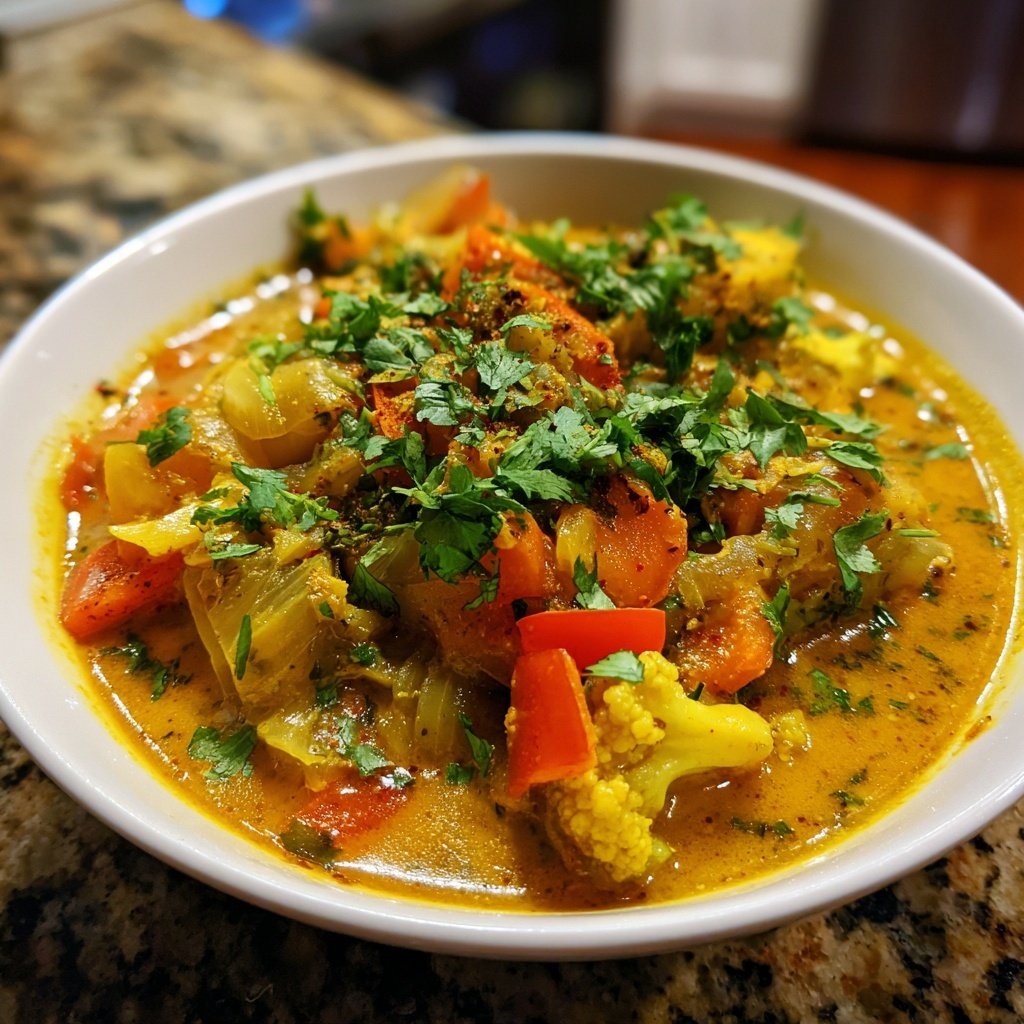
When I first tried Jamaican Coconut Vegetable Curry, I was amazed by how such simple ingredients could create such a rich flavor. The key to this recipe is allowing the vegetables to sauté and soften before adding the coconut milk, which helps to infuse the curry with all those delicious flavors. I like to use a variety of vegetables, and my favorites are bell peppers, carrots, and zucchini, as they add both color and texture.
One tip I discovered is to serve this curry with a side of fluffy rice or quinoa. The grains soak up the creamy coconut broth beautifully, creating a well-rounded meal. I also enjoy adding a dash of lime juice before serving, which really brightens up the dish and adds a refreshing twist.
Why You'll Love This Recipe
- Creamy coconut milk balances perfectly with fresh vegetables
- Packed with flavors that transport you to the Caribbean
- Quick and easy, perfect for a weeknight meal
Understanding the Ingredients
Each vegetable in this Jamaican Coconut Vegetable Curry plays a vital role in adding flavor and texture. The combination of bell pepper, carrots, zucchini, and green beans not only provides a colorful presentation but also a variety of nutrients. Bell peppers contribute sweetness, while carrots add a natural earthiness that deepens the dish's overall complexity. By cutting the vegetables into similar sizes, you ensure they cook evenly and maintain their vibrant colors, which is essential for this visually stunning dish.
Coconut milk is the star ingredient in this curry, bringing a luxurious creaminess that complements the spices beautifully. It’s important to choose full-fat coconut milk for the richest flavor and texture. When selecting your coconut milk, look for brands that have minimal additives for the best results. If you're looking for a lighter version of this dish, you can opt for a reduced-fat coconut milk, keeping in mind that it may alter the creaminess slightly but will still deliver delightful flavor.
Cooking Techniques to Master
Sautéing the aromatics, including onion, garlic, and ginger, is a crucial step that builds the foundation of flavor for your curry. Make sure to use medium heat to avoid burning the garlic, which can introduce bitterness. The goal is to sauté until the onion is translucent and the mixture becomes fragrant—this typically takes about 5 minutes. If the garlic starts to brown too quickly, lower the heat to prevent any unwanted flavors from developing.
Simmering the curry is where the magic truly happens. It’s vital to keep the heat low to allow the flavors to meld without overcooking the vegetables. Aim for a gentle simmer, where small bubbles appear on the surface. This should take around 15 minutes, and a great visual cue is when the vegetables become tender yet retain their bright colors. Overcooking can lead to mushy vegetables—if you're unsure, taste a piece to ensure they are just right.
Serving and Storage Tips
When it comes to serving this tropical delight, I love pairing it with steamed rice or fluffy quinoa, which soaks up the flavorful sauce perfectly. For an extra touch, consider adding lime wedges on the side for a fresh, zesty finish. You can also top the curry with a sprinkle of toasted coconut or chopped nuts for added texture and flavor—a technique I often use to enhance my dishes.
If you have leftovers, you can store them in an airtight container in the refrigerator for up to four days. To reheat, gently warm the curry on the stovetop on low heat, stirring occasionally to prevent sticking. You can also freeze portions of this curry for future meals; just let it cool completely before transferring to freezer-safe containers. When ready to eat, thaw in the fridge overnight and reheat on the stove, adding a splash of water if needed to maintain creaminess.
Ingredients
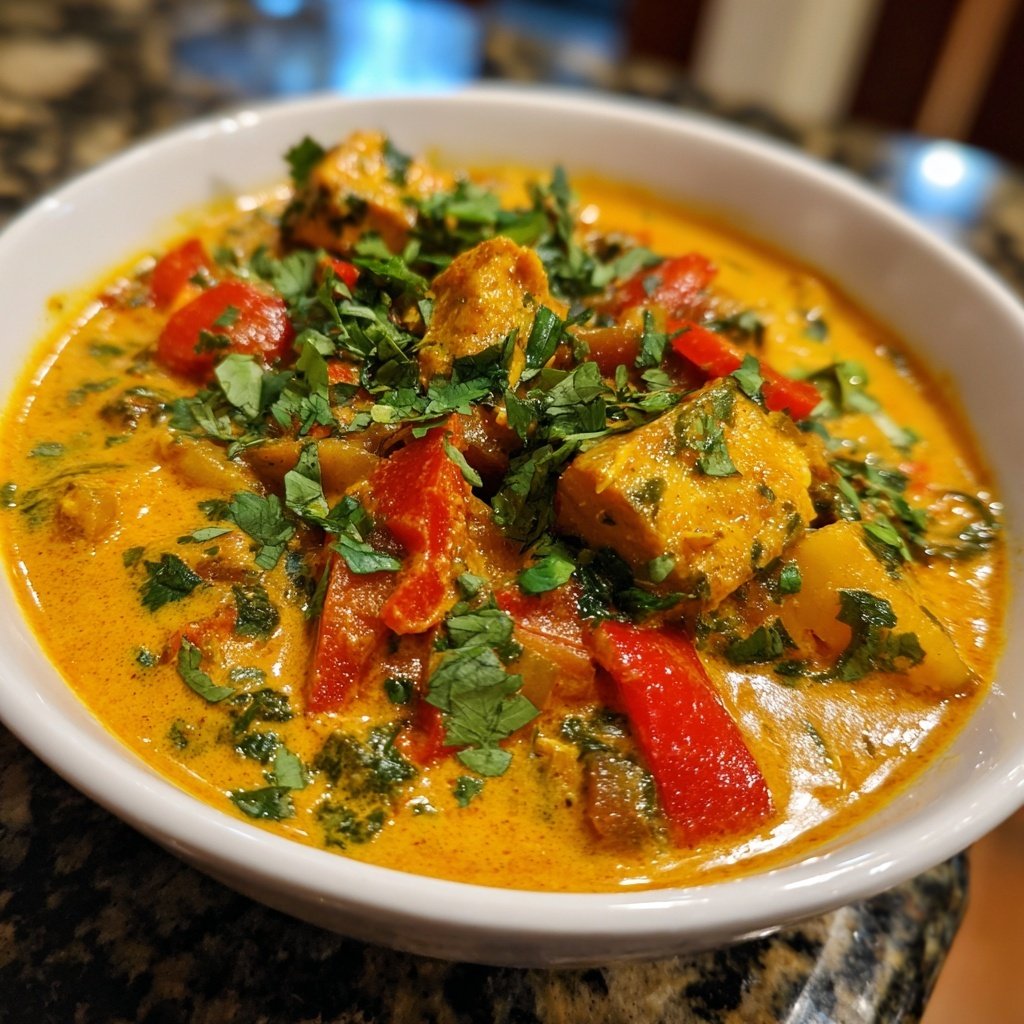
Gather the following ingredients to make the most delicious Jamaican Coconut Vegetable Curry.
Ingredients
- 1 tablespoon coconut oil
- 1 medium onion, chopped
- 2 cloves garlic, minced
- 1 tablespoon ginger, minced
- 1 bell pepper, diced
- 2 carrots, sliced
- 1 zucchini, chopped
- 1 cup green beans, trimmed and cut
- 1 can (14 oz) coconut milk
- 1 tablespoon curry powder
- 1 teaspoon turmeric
- Salt and pepper to taste
- Fresh cilantro for garnish
Make sure to prepare all the ingredients before you start cooking for a smooth cooking experience!
Instructions
Follow these easy steps to create your Jamaican Coconut Vegetable Curry.
Sauté Aromatics
In a large pot, heat coconut oil over medium heat. Add the chopped onion, garlic, and ginger. Sauté for about 5 minutes until the onion is translucent.
Add Vegetables
Add bell pepper, carrots, zucchini, and green beans to the pot. Stir and cook for another 5 minutes until the vegetables start to soften.
Stir in Coconut Milk and Spices
Pour in the coconut milk, then add curry powder, turmeric, salt, and pepper. Mix well to combine all the flavors.
Simmer the Curry
Bring the curry to a gentle simmer and let it cook for 15 minutes, stirring occasionally, until the vegetables are tender but still vibrant.
Serve and Enjoy
Remove from heat. Garnish with fresh cilantro before serving. Enjoy your curry with rice or quinoa!
This flavorful curry can be stored in the refrigerator for up to 3 days, making it great for meal prep!
Pro Tips
- Feel free to customize the vegetables based on what you have at home. Sweet potatoes or spinach are excellent additions to this curry.
Common Variations
Feel free to customize this recipe to suit your pantry or taste preferences. For example, you can swap out the green beans for peas or broccoli, which will add their own unique flavors and textures. Additionally, if you're a fan of heat, consider adding a diced jalapeño or red chili flakes during the sautéing stage to give your curry a bit of a spicy kick. Just be sure to adjust the seasoning accordingly, as more spice may require additional coconut milk to balance the flavors.
For a protein boost, you can also incorporate chickpeas or tofu into this dish, making it a heartier meal. If using chickpeas, add them along with the coconut milk so they can absorb the surrounding flavors. Tofu should be pre-cooked—either pan-fried or baked—before being added to the curry. This will allow it to crisp up and hold its shape, enhancing the texture of the final dish.
Troubleshooting Tips
If you find the curry is too thick after cooking, simply stir in a little vegetable broth or water until you reach your desired consistency. Conversely, if it's too thin, let it simmer uncovered for a few minutes longer to allow some moisture to evaporate. A helpful tip is to taste your curry before serving; you may want to adjust the salt, pepper, or spices at this stage to enhance the overall flavor.
Additionally, should you encounter any bitterness from the spices, this can often be mitigated by adding a bit of sweetness. A small amount of brown sugar or a splash of maple syrup can help to balance out any harsh flavors. Remember to add these adjusters a little at a time, tasting as you go to ensure you achieve a balanced, harmonious flavor in your Jamaican Coconut Vegetable Curry.
Questions About Recipes
→ Can I use frozen vegetables?
Yes, frozen vegetables work well in this recipe. Just add them in a bit later to ensure they don’t overcook.
→ Is this curry vegan-friendly?
Absolutely! This recipe is naturally vegan as it uses coconut milk and no animal products.
→ How can I make it spicier?
You can add chili flakes or hot sauce to taste while cooking for an extra kick.
→ Can I prepare this curry in advance?
Yes, you can make the curry ahead of time. Just reheat it gently before serving.
Jamaican Coconut Vegetable Curry
What You'll Need
Ingredients
- 1 tablespoon coconut oil
- 1 medium onion, chopped
- 2 cloves garlic, minced
- 1 tablespoon ginger, minced
- 1 bell pepper, diced
- 2 carrots, sliced
- 1 zucchini, chopped
- 1 cup green beans, trimmed and cut
- 1 can (14 oz) coconut milk
- 1 tablespoon curry powder
- 1 teaspoon turmeric
- Salt and pepper to taste
- Fresh cilantro for garnish
How-To Steps
In a large pot, heat coconut oil over medium heat. Add the chopped onion, garlic, and ginger. Sauté for about 5 minutes until the onion is translucent.
Add bell pepper, carrots, zucchini, and green beans to the pot. Stir and cook for another 5 minutes until the vegetables start to soften.
Pour in the coconut milk, then add curry powder, turmeric, salt, and pepper. Mix well to combine all the flavors.
Bring the curry to a gentle simmer and let it cook for 15 minutes, stirring occasionally, until the vegetables are tender but still vibrant.
Remove from heat. Garnish with fresh cilantro before serving. Enjoy your curry with rice or quinoa!
Extra Tips
- Feel free to customize the vegetables based on what you have at home. Sweet potatoes or spinach are excellent additions to this curry.
Nutritional Breakdown (Per Serving)
- Calories: 320 kcal
- Total Fat: 22g
- Saturated Fat: 18g
- Cholesterol: 0mg
- Sodium: 300mg
- Total Carbohydrates: 28g
- Dietary Fiber: 5g
- Sugars: 6g
- Protein: 4g